
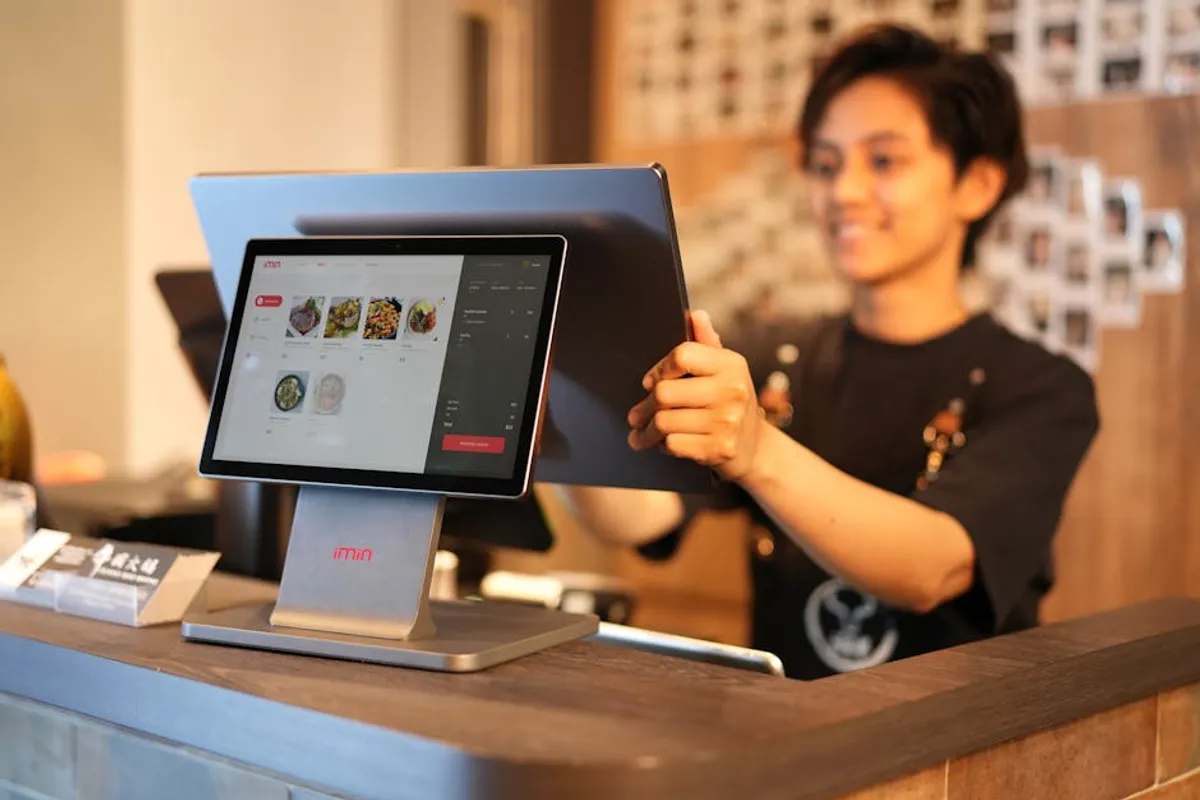
Iamrestaurant operates within the competitive digital landscape catering to the restaurant industry, a sector characterized by specific operational needs and a growing reliance on technology. Analyzing Iamrestaurant’s content and search profile offers insights into how a domain can position itself to capture traffic from restaurateurs, managers, and hospitality professionals seeking solutions and information. Its search visibility hinges on addressing precise pain points and offering clear, detailed content that satisfies both informational and commercially investigative search intents.
What Iamrestaurant Appears to Cover
Based on its implied focus, Iamrestaurant's content strategy likely revolves around core aspects of restaurant operations and management. The domain appears to publish articles detailing what a specific product or service "is," breaking down its functionality into distinct "features." This includes explanations of how various components, such as online ordering systems, point-of-sale (POS) integrations, reservation management, or customer relationship management (CRM) tools, function within a restaurant context. Content on Iamrestaurant would typically explain the purpose and practical application of these features, often illustrating their benefits for efficiency, customer experience, or revenue generation.
A significant content category for Iamrestaurant involves "safety." This does not refer to personal safety advice, but rather to operational security, data privacy, and compliance within a restaurant's digital and physical environment. Topics might include secure payment processing, safeguarding customer data, ensuring PCI DSS compliance, or best practices for maintaining data integrity across various restaurant technologies. The domain may also cover food safety regulations or operational guidelines that impact a restaurant's reputation and legal standing. Furthermore, Iamrestaurant's content addresses "alternatives," which indicates a focus on comparative analysis. This involves evaluating different solutions or approaches available in the market, outlining their respective strengths and weaknesses, and helping readers understand the landscape of restaurant technology options. Such content often includes side-by-side comparisons of features, integration capabilities, and suitability for different restaurant types or business models.
Where Its Search Traffic May Come From
Iamrestaurant's organic search traffic is likely derived from a blend of branded and non-branded queries. Branded searches would originate from users already aware of "Iamrestaurant" as a specific product, service, or information hub, seeking direct access or specific reviews. Non-branded traffic would stem from users performing broader searches related to restaurant management challenges or technology solutions. This includes long-tail queries such as "best online ordering system for small restaurants," "how to integrate POS with reservation software," or "secure payment options for restaurants."
The site's visibility for these non-branded terms depends on its content's depth and authority on specific topics. For instance, articles explaining "features" of restaurant tech could rank for terms like "restaurant inventory management features" or "benefits of digital menus." Content addressing "safety" could attract searches for "restaurant data security best practices" or "PCI compliance for hospitality." The "alternatives" content would naturally target comparison keywords like "[solution A] vs [solution B]" or "alternatives to [popular restaurant software]."
Search Intent Behind the Subject
Iamrestaurant's content targets a mix of search intents, primarily informational and commercial investigation. Users with informational intent are typically in the research phase, seeking to understand "what it is" or "how it works." They might search for definitions, explanations of concepts, or general overviews of restaurant technology. Iamrestaurant's foundational articles explaining specific products or services would serve this intent.
Commercial investigation intent is evident when users are evaluating options before making a decision. This segment actively seeks content discussing "features," "safety" considerations, and "alternatives." They are looking for detailed comparisons, pros and cons, security implications, and real-world applicability to their restaurant business. Content that provides comprehensive, unbiased analysis and addresses potential concerns directly will resonate with this intent. Navigational intent, while smaller, would come from users specifically typing "Iamrestaurant" into a search engine to reach the domain directly, indicating prior awareness.
Why Traffic May Rise or Fall
Iamrestaurant's organic traffic patterns are influenced by several factors. Consistent publication of fresh, in-depth content that directly addresses emerging trends in the restaurant industry can lead to traffic growth. For example, if there's a new regulatory requirement for data handling ("safety") or a surge in demand for a specific feature like QR code ordering, timely and comprehensive articles on these topics can boost visibility. Conversely, a lack of content updates or failure to address new industry challenges can lead to stagnation or decline.
The competitive landscape also plays a significant role. If other domains publish more authoritative or user-friendly content on similar "features" or "alternatives," Iamrestaurant's rankings may suffer. Search engine algorithmic updates can also cause fluctuations; sites that align well with E-A-T (Expertise, Authoritativeness, Trustworthiness) signals, particularly for sensitive topics like "safety" and financial operations, tend to perform better. Technical SEO health, including site speed, mobile responsiveness, and schema markup for reviews or product features, also impacts crawlability and ranking potential.
How the Site Could Improve Organic Visibility
To enhance organic visibility, Iamrestaurant could focus on building topical authority around key restaurant operational clusters. This involves creating comprehensive content hubs that cover every facet of a particular topic, such as "restaurant POS systems," from basic definitions ("what it is") to advanced features, security protocols ("safety"), and comparisons with other options ("alternatives"). Each piece of content should interlink strategically to reinforce the domain's expertise.
Developing more detailed, data-backed comparative articles for "alternatives" could capture high-intent commercial investigation traffic. This means going beyond feature lists and diving into real-world use cases, integration complexities, and specific benefits for different restaurant models. Furthermore, optimizing content for featured snippets and 'People Also Ask' sections related to definitional queries or specific feature explanations can increase click-through rates. Regularly auditing existing content for freshness, accuracy, and depth, particularly concerning "safety" and evolving industry standards, ensures sustained relevance and trustworthiness.
What to Check Before Trusting Traffic Estimates
When evaluating traffic estimates for Iamrestaurant, it is crucial to consider the methodology of the data source. Different analytical tools use varying data collection techniques, which can lead to discrepancies in reported traffic, keyword rankings, and backlink profiles. Always cross-reference data from multiple reputable sources to gain a more balanced perspective.
Examine the estimated keywords for relevance and intent. Ensure that the keywords attributed to Iamrestaurant genuinely reflect the topics it covers and the audience it aims to attract. Discrepancies here can skew the perceived value of the traffic. Also, account for seasonal fluctuations inherent in the restaurant industry; traffic related to certain features or operational needs might peak or dip at different times of the year. Finally, verify the geographic targeting of the traffic estimates to ensure they align with Iamrestaurant's intended market, as global estimates may not accurately represent local or regional search demand.
What types of restaurant businesses does Iamrestaurant's content typically address?
Iamrestaurant's content appears to address a broad spectrum of restaurant types, from independent cafes and quick-service establishments to fine dining and multi-location chains. Its articles discussing "features" and "alternatives" often differentiate solutions based on scalability, specific operational needs, and budget considerations relevant to various business models within the hospitality sector.
How does Iamrestaurant's content differentiate its feature explanations?
The content on Iamrestaurant differentiates feature explanations by focusing on practical application and real-world benefits rather than just technical specifications. It likely uses case studies, user scenarios, and detailed workflows to illustrate how specific functionalities, such as online ordering or inventory management, translate into tangible improvements for restaurant operations and customer satisfaction.
What kind of "safety" topics does Iamrestaurant's content cover for restaurants?
Iamrestaurant's content on "safety" for restaurants primarily covers operational security, data protection, and compliance. This includes topics like secure payment processing, safeguarding customer information, adherence to industry-specific regulations, and best practices for protecting digital assets and systems from cyber threats, ensuring business continuity and trust.
In what contexts does Iamrestaurant's content discuss "alternatives"?
Iamrestaurant's content discusses "alternatives" in the context of helping restaurateurs make informed decisions about technology and operational strategies. This often involves comparative analyses of different software solutions, service providers, or approaches to common restaurant challenges, highlighting their respective strengths, weaknesses, and suitability for various business needs and budgets.